
What Is Biodynamic Osteopathy?
A treatment does not always need to feel forceful to be effective. Many patients come in expecting strong manipulation, only to be surprised that some of the most meaningful changes can happen through precise, gentle contact. That is often where biodynamic osteopathy stands apart.
Biodynamic osteopathy is a subtle hands-on approach within osteopathic care that focuses on the body’s inherent capacity to regulate, adapt, and recover. Rather than forcing change, the practitioner listens carefully to patterns of tension, restriction, and compensation, then supports the tissues and nervous system in moving toward better balance. For patients dealing with chronic pain, stress-related symptoms, headaches, jaw tension, pregnancy discomfort, or a sense that their body has been stuck for too long, this approach can be especially valuable.
How biodynamic osteopathy works
At its core, biodynamic osteopathy is based on a simple clinical principle – the body is always trying to organize itself toward health, even when symptoms are present. Injury, strain, emotional stress, surgery, poor posture, repetitive activity, and lack of recovery can all disturb that process. Over time, the body may compensate well enough to keep functioning, but not without a cost. That cost often shows up as pain, fatigue, stiffness, disturbed sleep, shallow breathing, headaches, digestive tension, or a persistent feeling of overload.
In a biodynamic session, the practitioner uses refined palpation to assess how the body is holding these patterns. This is not passive relaxation work and it is not a generic wellness ritual. It is a clinical form of osteopathic treatment that pays close attention to rhythm, fluid motion, tissue quality, and the relationship between structure and function.
The goal is not simply to chase the painful area. A neck problem may involve the rib cage, diaphragm, jaw, thoracic spine, old ankle injuries, or a nervous system that has remained in a guarded state for months. Biodynamic work helps reveal those deeper relationships, which is one reason it can feel different from a more symptom-focused treatment.
Why some patients respond well to biodynamic osteopathy
Many people seek osteopathic care after trying massage, stretching, exercise, or medication with only partial relief. Those options may still be useful, but they do not always address the underlying pattern maintaining the problem. When symptoms are driven by accumulated strain, nervous system overload, or long-standing compensation, a gentler and more integrative approach can be more appropriate.
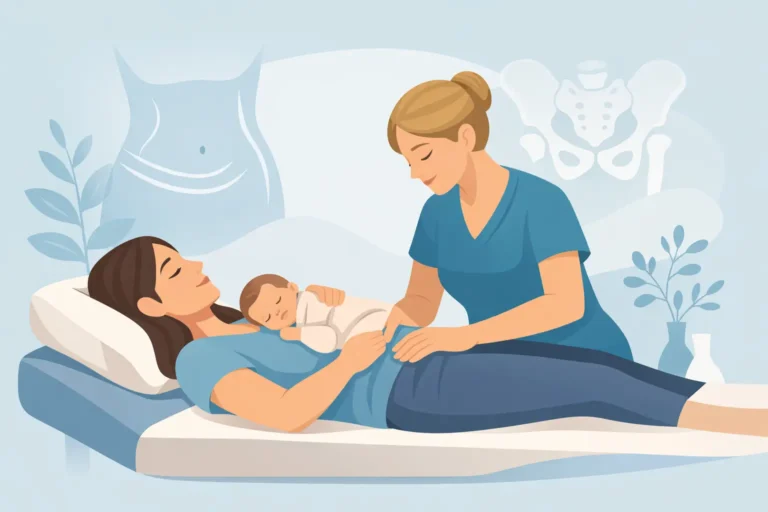
This is often true for patients who feel sensitive, depleted, or easily aggravated by stronger techniques. It can also be relevant for pregnant women, postpartum recovery, infants, patients with migraines, those with TMJ dysfunction, and adults whose pain increases during periods of stress.
That said, biodynamic osteopathy is not presented as a cure-all. Some conditions respond best to a more structural approach, exercise-based rehabilitation, medical evaluation, or a combination of methods. In practice, good osteopathic care depends on choosing the right approach for the person in front of you, not applying one technique to everyone.
What treatment feels like
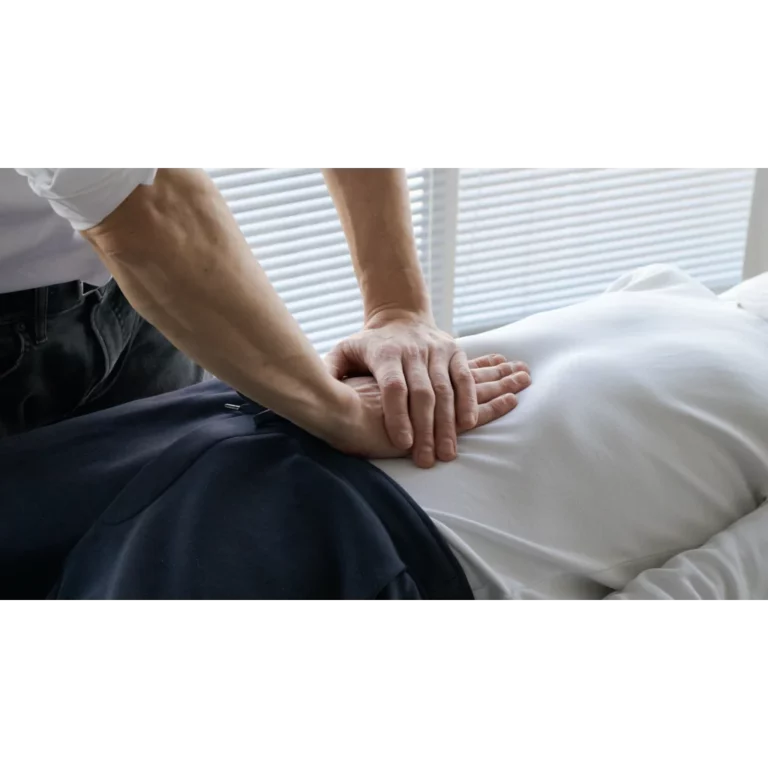
One of the first questions patients ask is whether treatment will hurt. In biodynamic osteopathy, the answer is usually no. The contact is typically gentle, steady, and highly specific. The practitioner may place hands on the head, spine, sacrum, abdomen, rib cage, or other areas depending on the assessment.
During treatment, some patients notice warmth, soft tissue release, deeper breathing, a sense of settling, or a reduction in internal tension. Others feel very little in the moment and only notice later that movement is easier, pain is less intense, or sleep improves. Both responses can be normal.
Because this work engages the body at a deeper regulatory level, the experience can be quietly powerful. It is not dramatic, and that is often the point. The aim is not to impose correction, but to allow a more sustainable change to emerge.
Conditions where biodynamic care may help
Biodynamic osteopathy can be useful in a wide range of clinical situations, particularly when symptoms involve both physical strain and nervous system stress. In practice, it may be included in care for headaches, migraines, neck and back pain, jaw tension, postural fatigue, breathing restriction, stress-related discomfort, pregnancy-related pain, postpartum recovery, and pediatric concerns.
It may also help patients who say things like, “I feel tight everywhere,” “My body never fully relaxes,” or “The scans are normal, but I still don’t feel right.” Those statements often point to a functional problem rather than a simple structural injury. Osteopathic treatment is well suited to that gray area, where the issue is real but not always obvious on imaging.
For athletes and active adults, biodynamic work can also support recovery when the system is overloaded. Training stress, travel, poor sleep, old injuries, and repeated impact can all reduce adaptability. In those cases, treatment may help the body recover its capacity to move and perform with less compensation.
Biodynamic vs structural osteopathy
Patients sometimes assume they must choose between gentle treatment and effective treatment. In reality, skilled osteopathic care often includes both biodynamic and structural methods, depending on what the body needs.
Structural osteopathy tends to work more directly with joints, muscles, fascia, and biomechanics. It can be very effective for restricted movement, sports injuries, mechanical back pain, and clear musculoskeletal dysfunction. Biodynamic osteopathy, by contrast, is often more appropriate when the body is guarded, fatigued, highly reactive, or holding a deeper pattern that does not respond well to force.
The distinction matters because treatment should match the patient’s presentation. A strong technique can be helpful in one case and counterproductive in another. The value of an experienced practitioner lies in knowing when to be direct, when to be subtle, and how to combine approaches safely.
What to expect in a session
A proper session begins with listening. Your symptoms matter, but so does the wider story around them – when they started, what aggravates them, how stress affects them, whether sleep has changed, whether there has been pregnancy, injury, dental work, surgery, or a period of intense physical or emotional load.
Assessment then looks beyond the area of pain. Osteopathy is based on the idea that the body functions as a connected whole, so the practitioner evaluates posture, mobility, tissue quality, and compensatory patterns before deciding how to treat.
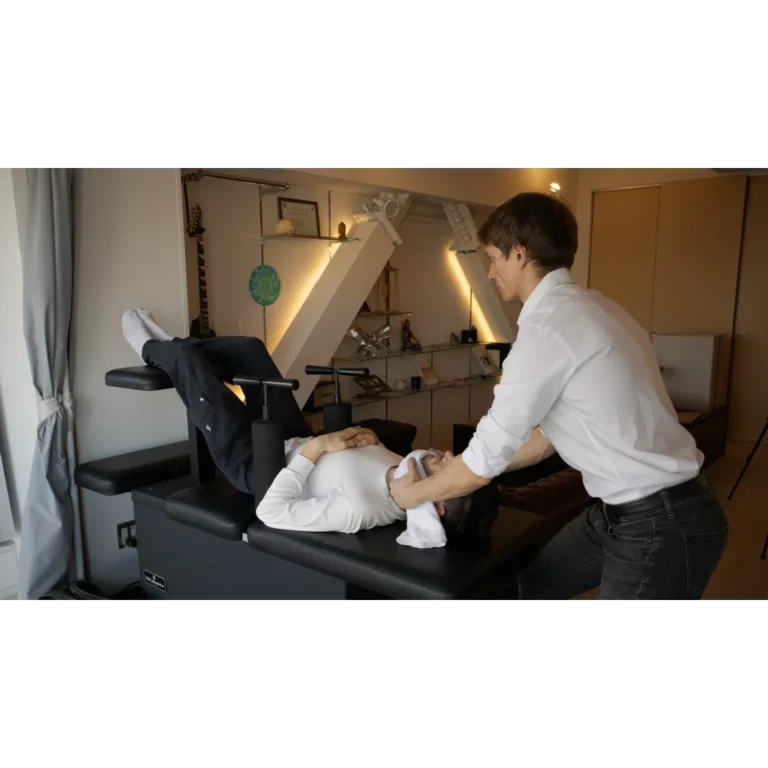
If biodynamic osteopathy is appropriate, the treatment is delivered in a calm and carefully monitored way. The pace is slower than many patients expect, but that slower pace allows the body to shift without being pushed past its capacity. For many people, this feels reassuring, especially if they have had painful or overly aggressive treatment elsewhere.
At Osteopath Tokyo, this individualized approach is central to care. Some patients need a primarily biodynamic session. Others benefit from a blend of biodynamic, craniosacral, soft-tissue, and structural osteopathic techniques. The treatment plan should always reflect the patient, not the other way around.
Is biodynamic osteopathy evidence-based?
This is a fair question, especially for patients who want natural care but also value clinical credibility. The answer requires nuance. Research on manual therapy is growing, but subtle osteopathic methods are harder to study than a medication or a standardized exercise protocol. Human bodies are not standardized, and individualized treatment is one reason osteopathy can be effective in practice.
What can be said with confidence is that gentle manual therapy may help regulate pain, reduce protective tension, improve mobility, and support autonomic balance in appropriate cases. Clinical experience also shows that some patients who do poorly with forceful treatment respond much better to a more refined approach.
Good care should never rely on vague promises. It should rely on skilled assessment, clear communication, appropriate technique selection, and honest follow-up based on how your body responds.
Who is a good candidate?
A good candidate for biodynamic osteopathy is not defined by one diagnosis. It is often someone whose symptoms are persistent, stress-sensitive, complex, or easily aggravated. It may be the office worker with chronic neck tension and headaches, the pregnant patient with pelvic and back discomfort, the new mother recovering from delivery, the athlete not bouncing back between training sessions, or the infant who seems unsettled and difficult to soothe.
The common thread is not fragility. It is the need for a treatment approach that respects the body’s current capacity and works with it rather than against it.
If you are considering this kind of care, the most useful question is not whether gentle treatment is enough. It is whether your body is asking for a different kind of input than force. For many patients, that shift in approach is exactly what allows progress to begin.