
Holistic Osteopathy Tokyo: What to Expect
Pain in Tokyo often becomes background noise before people decide to do something about it. A stiff neck after long desk hours, low back pain that keeps returning, jaw tension from stress, or pelvic discomfort during pregnancy can slowly start shaping daily life. For many patients, holistic osteopathy Tokyo care is appealing because it looks beyond the sore area and asks a better question: why is the body struggling in the first place?
That shift matters. When treatment focuses only on the spot that hurts, relief can be short-lived. A whole-body osteopathic approach considers how posture, mobility, breathing, old injuries, stress, workload, exercise habits, and even sleep may be contributing to the problem. The goal is not just to reduce pain for a day or two, but to help the body function with less strain and more balance.
What holistic osteopathy in Tokyo really means
Holistic osteopathy is hands-on care built around the idea that the body works as an interconnected system. If the neck is painful, the issue may also involve the upper back, rib cage, jaw, shoulders, or the way the pelvis and spine are compensating. If headaches keep returning, tension patterns, stress load, posture, and cranial mobility may all need attention.
In practice, this means treatment is individualized rather than protocol-driven. Two people can arrive with the same complaint, such as sciatica, and need very different care. One may have a lumbar disc irritation with restricted hip mobility. Another may be dealing with gluteal tension, poor movement patterns, and prolonged sitting. The label sounds the same, but the treatment should not be identical.
For patients in Tokyo, this approach is especially relevant because many are balancing long work hours, intense commutes, athletic training, travel, parenting, and high stress. Symptoms rarely exist in isolation. The body usually tells a larger story.
Why people seek holistic osteopathy Tokyo care
Most patients do not book because they are curious about osteopathic philosophy. They book because something is limiting them. It may be persistent low back pain, neck stiffness, migraines, TMJ discomfort, pregnancy-related pain, sports injury recovery, or a general sense that their body is not moving well.
What often brings them to holistic osteopathy is frustration with partial results elsewhere. Medication may help control pain, but not explain why it keeps coming back. Massage may provide temporary relief, but not address deeper joint restriction or movement imbalance. Stretching may help a little, but not if the problem is being driven by compensation patterns or unresolved tension in another region.
A holistic osteopath assesses these relationships and treats accordingly. This can include structural adjustments, soft tissue release, craniosacral or biodynamic techniques, mobility work, and practical guidance based on the patient’s daily life. The care is direct, but it should also feel measured and appropriate to the person on the table.
Conditions that often benefit from a whole-body approach
A broad osteopathic assessment can be useful for many complaints, but some conditions particularly benefit from looking beyond the obvious pain site.
Neck pain, headaches, and TMJ tension
Desk work, screen time, travel, and stress often show up in the neck and jaw. Yet the neck is rarely acting alone. Restricted ribs, a collapsed upper back posture, breathing tension, and jaw clenching can all feed into headaches and facial discomfort. A whole-body treatment plan can help reduce strain across the entire chain rather than chasing one tight muscle after another.
Low back pain and sciatica
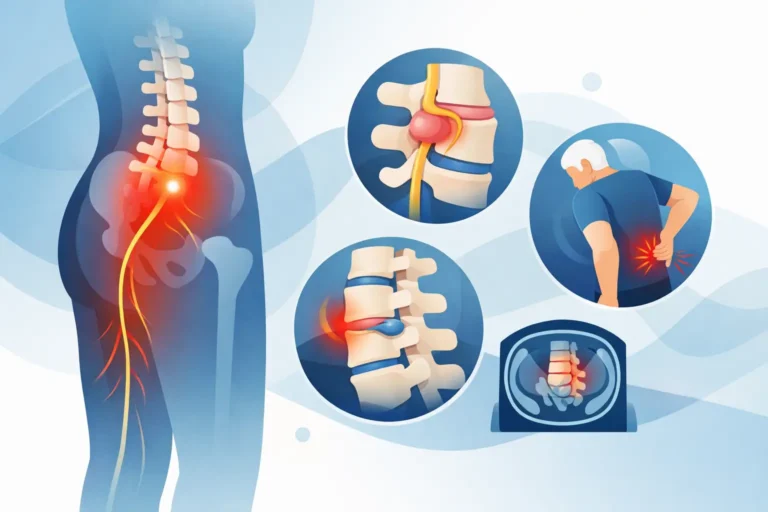
Low back pain is one of the most common reasons patients seek osteopathic care. Sometimes the source is local. Sometimes it reflects poor load distribution through the hips, pelvis, and thoracic spine. Sciatic symptoms can also vary widely, from disc-related irritation to muscular compression patterns. Good care depends on careful assessment, not assumptions.
Pregnancy and postpartum discomfort
During pregnancy, the body adapts quickly. As the center of gravity changes, the pelvis, lower back, ribs, and diaphragm often take on extra strain. Postpartum recovery adds another layer, especially with lifting, feeding posture, sleep disruption, and abdominal or pelvic instability. Gentle osteopathic treatment can support comfort and mobility during this period, but techniques and timing should always be adapted to the individual.
Sports injuries and recovery
Active adults and athletes often want more than pain relief. They want to return to training with better mechanics and fewer setbacks. Osteopathy can help after overuse injuries, mobility restrictions, impact-related strains, and compensation patterns that interfere with performance. That said, not every sports injury responds the same way. Acute cases may need a combination of manual treatment, modified activity, and time.
Stress-related tension and functional overload
Not all pain begins with a dramatic injury. Sometimes it builds gradually through stress, poor recovery, shallow breathing, jaw clenching, and physical overload. In these cases, hands-on treatment can help calm the nervous system and restore movement quality. This does not mean every issue is “just stress,” but stress often amplifies physical dysfunction in ways patients can feel.
What happens during a session
A premium osteopathic visit should feel thorough, clear, and personal. The first step is listening. Your practitioner should want to understand not only where it hurts, but how it behaves, when it started, what makes it worse, what has already been tried, and how it affects work, exercise, sleep, or family life.
Assessment usually includes posture, movement, joint mobility, tissue tension, and the relationship between the painful area and the rest of the body. This is one of the biggest differences patients notice. The evaluation is not limited to a symptom checklist. It is a functional assessment designed to identify patterns.
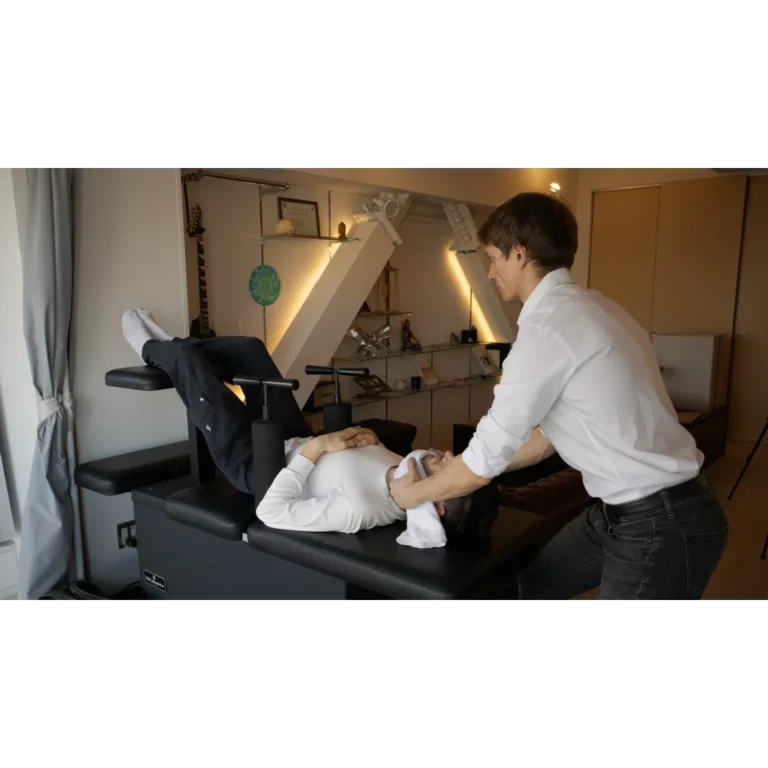
Treatment may then combine several techniques in the same session. Some areas may benefit from structural work. Others may need slower soft tissue or craniosacral techniques, especially when the system is highly sensitive, stress-loaded, pregnant, postpartum, or simply not suited to more direct manipulation. Good osteopathic care is not about force. It is about choosing the right input for the body in front of you.
You should also expect explanation along the way. Many patients feel more comfortable when they understand what is being treated and why. Clear communication matters even more in an international city like Tokyo, where patients may be seeking care in English, French, or Japanese and want confidence that nothing is being lost in translation.
How to know if this approach is right for you
Holistic osteopathy is often a strong fit if you want hands-on care, a personalized assessment, and a non-pharmaceutical path to pain relief and improved function. It can be particularly helpful when symptoms are recurrent, multifactorial, or not fully explained by imaging alone.
Still, it is not a one-size-fits-all answer. Some conditions need medical imaging, specialist referral, or co-management with another provider. Red-flag symptoms such as unexplained weight loss, fever, progressive neurological changes, severe trauma, or sudden major symptom shifts require medical evaluation first. Responsible osteopathic care includes knowing when not to treat.
It also helps to have realistic expectations. Some patients feel meaningful change quickly, especially when the issue is mechanical and relatively recent. Others improve more gradually, particularly if pain has been present for months, stress is high, or compensation patterns are deeply established. Lasting results often come from a combination of treatment, body awareness, and practical changes in daily habits.
Why experience and communication matter in Tokyo
Tokyo offers many healthcare options, but finding the right manual therapist can still be difficult, especially for international residents. Language, treatment style, time constraints, and trust all play a role. Patients often want more than technical skill. They want to feel heard, safe, and confident that the practitioner understands both the clinical side and the practical reality of life in Japan.
This is where experience matters. A practitioner who has worked with office professionals, athletes, pregnant women, postpartum mothers, and families over many years develops sharper clinical judgment. The same is true for multilingual communication. It reduces uncertainty, supports informed consent, and helps patients explain symptoms with more accuracy.
At a practice like Osteopath Tokyo, that combination of individualized care, international accessibility, and refined hands-on treatment is central to the patient experience. For people who have been putting up with pain while trying to keep work and life moving, that level of care can feel like a relief in itself.
The right treatment should leave you feeling that your body makes more sense than it did before. When care is thoughtful, precise, and adapted to your life, progress tends to feel steadier and more sustainable. If you have been managing pain by working around it, this may be the moment to let someone assess the full picture.