Pregnancy Osteopathy Tokyo: What to Expect
When your body starts changing week by week, even ordinary movements can feel unfamiliar. Many women searching for pregnancy osteopathy Tokyo care are not looking for anything dramatic – they simply want to walk, sleep, breathe, and work with less pain and more confidence.
Pregnancy places real mechanical and physiological demands on the body. As the uterus grows, posture changes, the rib cage adapts, ligaments soften, and load shifts through the spine, pelvis, hips, and feet. For some women, those changes are manageable. For others, they lead to persistent low back pain, pelvic discomfort, sciatica-like symptoms, neck tension, headaches, or shortness of breath linked to rib restriction. Gentle, well-adapted osteopathic treatment can help support comfort and mobility during this period.
Why women seek pregnancy osteopathy in Tokyo
Tokyo is a demanding city to navigate while pregnant. Long commutes, many stairs, extended desk hours, and the pace of daily life can make small discomforts become larger ones. International residents often face an added layer of stress – finding care in English, understanding what type of treatment is appropriate during pregnancy, and choosing a practitioner who communicates clearly and works with sensitivity.
This is where osteopathy appeals to many expectant mothers. It is a hands-on approach that looks at how the whole body is adapting, rather than focusing only on the area that hurts. If the lower back is painful, the issue may also involve pelvic balance, hip mobility, abdominal tension, thoracic stiffness, or the way load is being transferred through the body. Pregnancy care should be individualized, because symptoms that look similar on paper can feel very different in practice.
What pregnancy osteopathy Tokyo treatment may help with
During pregnancy, the goal is not to force the body or use aggressive techniques. The goal is to reduce strain, improve comfort, and support better movement as your body changes.
Many patients seek treatment for low back pain, sacroiliac joint discomfort, round ligament tension, pelvic heaviness, hip pain, rib pain, neck and shoulder tightness, headaches, and tension that builds from altered posture or poor sleep. Some also come in because they feel generally “off” – more compressed, less mobile, and less comfortable in daily movement.
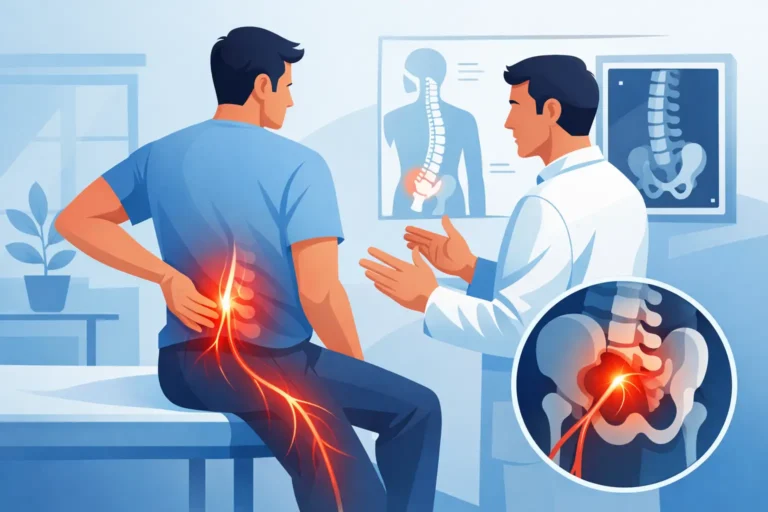
Sciatica is another common reason to book. In some cases, it is true nerve irritation. In others, it is referred pain from overloaded muscles or pelvic structures. That distinction matters because treatment should match the cause, not just the symptom.
There is also a practical benefit to addressing discomfort early. When pain changes how you sit, stand, walk, or sleep, compensations often build elsewhere. A manageable issue in the second trimester can become far more limiting later if the body keeps adapting around it.
How osteopathic care is adapted during pregnancy
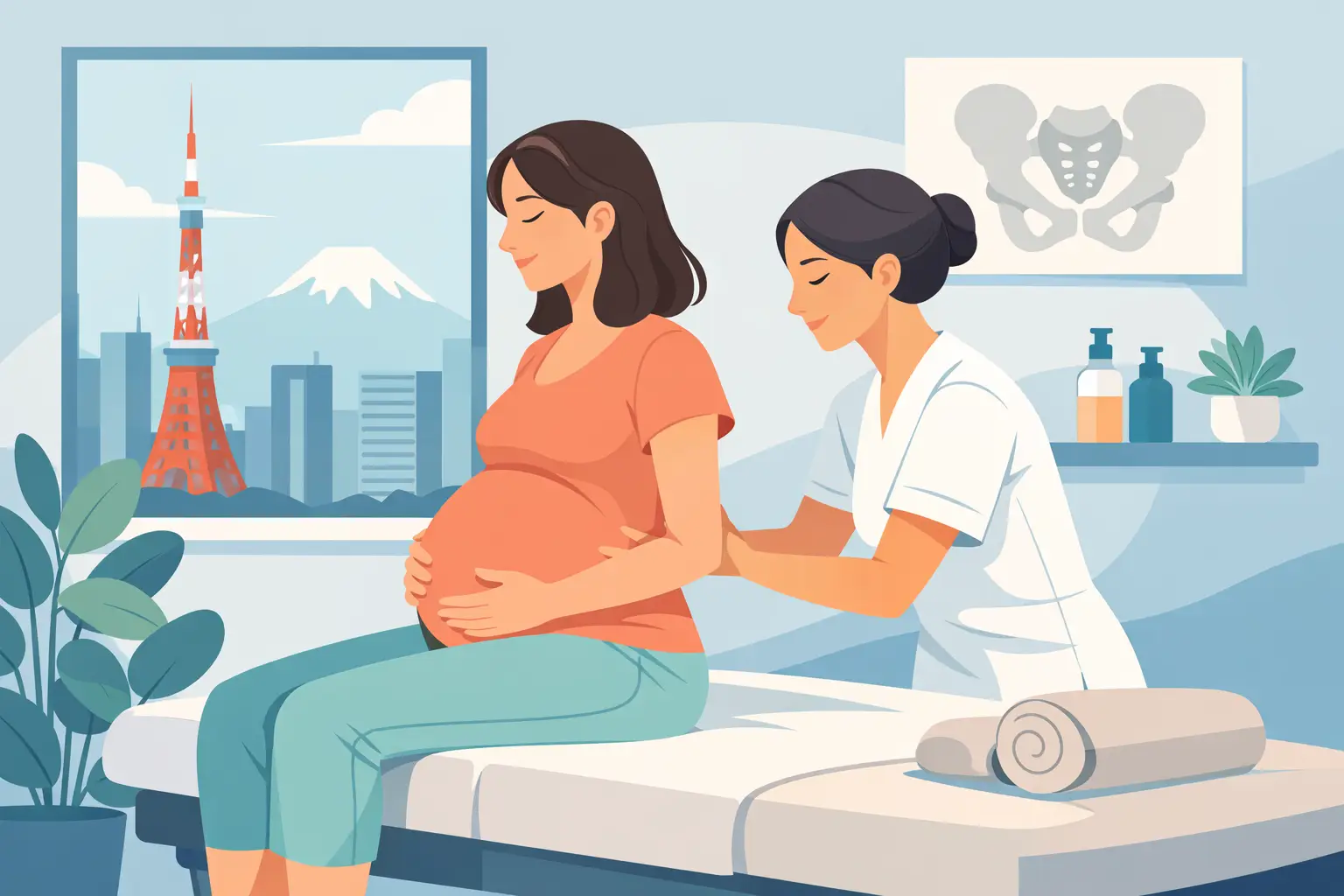
Pregnancy osteopathy should feel safe, calm, and respectful of the stage you are in. Treatment is typically gentle and modified to suit your comfort, trimester, symptoms, and medical context. Positions can be adjusted carefully, and techniques are chosen with the understanding that pregnancy is not a standard musculoskeletal case.
A proper consultation begins with listening. Your symptoms, pregnancy stage, previous injuries, current activity level, sleep, work setup, and medical history all matter. That clinical picture helps determine what is appropriate, and just as importantly, what is not.
Hands-on care may include soft-tissue release, gentle joint mobilization, craniosacral or biodynamic techniques, and osteopathic work to reduce restriction through the pelvis, lumbar spine, rib cage, diaphragm, and surrounding structures. The treatment should never feel rushed. Comfort and trust are part of the therapeutic process.
It also helps when your practitioner explains what they are doing and why. For many pregnant patients, reassurance is not a luxury. It is part of good care.
Is osteopathy safe during pregnancy?
In many uncomplicated pregnancies, osteopathic treatment can be a safe and useful option when provided by a qualified practitioner experienced in maternity care. That said, safe care is always case by case.
There are situations where treatment may need modification, postponement, or medical clearance first. If you have bleeding, severe swelling, signs of preeclampsia, unusual abdominal pain, contractions, dizziness, high-risk pregnancy factors, or any concerning symptom, medical evaluation comes first. Osteopathy is supportive care, not a substitute for obstetric monitoring.
This is one of the most important trade-offs to understand. A hands-on approach can be very helpful for mechanical discomfort and functional restriction, but it should sit within a responsible care plan. The best practitioner is not the one who treats everything. It is the one who knows when to adapt, when to pause, and when to refer.
What a session usually feels like
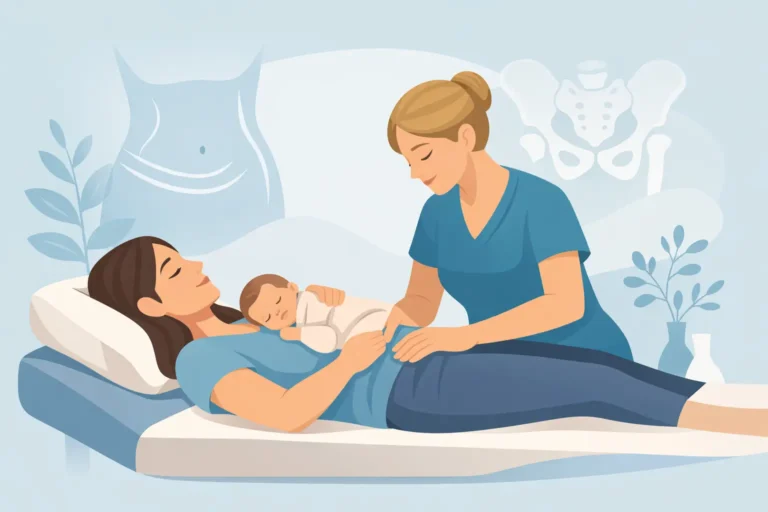
A well-conducted pregnancy session is generally quiet, precise, and responsive. It is not about force. Most women notice a sense of ease through areas that have felt tense, compressed, or overloaded.
Some feel better immediately, especially if the main issue is mechanical strain. Others improve more gradually over one to three sessions as the body settles and movement patterns change. It depends on the intensity of symptoms, how long they have been present, daily physical demands, and whether the problem is mostly local or part of a broader postural pattern.
You may also receive simple advice about positioning, movement, or pacing between sessions. During pregnancy, the small things matter. How you get out of bed, how long you stand, how you carry a bag, or how you set up your workstation can influence symptoms more than people expect.
Common pregnancy-related complaints that respond well
Pelvic girdle pain is one of the most frequent reasons women seek care. It may show up as pain when turning in bed, climbing stairs, standing on one leg, or walking for longer periods. The discomfort can feel sharp, unstable, or deeply aching. Treatment often focuses on reducing asymmetrical strain and helping the pelvis and surrounding muscles work with less tension.
Rib pain is another issue that is often underestimated. As the baby grows and breathing mechanics change, the rib cage can become restricted and tender. This may create discomfort when sitting, twisting, or lying down. Gentle work around the thoracic spine, ribs, diaphragm, and related soft tissues can often make breathing and posture more comfortable.
Low back pain and hip pain are also common, especially in women who are still working long hours, traveling across the city, or caring for older children. In these cases, treatment may need to address more than the painful spot itself. The body adapts as a chain, and relief usually comes faster when the broader pattern is assessed properly.
Choosing the right practitioner in Tokyo
Not every manual therapy approach is equally suited to pregnancy. Technique style, clinical judgment, communication, and experience all matter. When considering pregnancy osteopathy in Tokyo, it makes sense to look for a practitioner who regularly treats pregnant and postpartum patients, explains treatment clearly, and adjusts care to your comfort rather than following a fixed protocol.
For many international patients, language matters as much as technique. Being able to describe symptoms accurately, ask questions freely, and understand the plan of care reduces stress and helps build trust. That is especially valuable during pregnancy, when uncertainty tends to amplify discomfort.
Experience also matters in a quieter way. A practitioner who has spent years working with complex musculoskeletal patterns can often identify the difference between a straightforward mechanical issue and something that needs caution. That level of judgment is part of premium care.
At Osteopath Tokyo, pregnancy care is approached with exactly that mindset – individualized, gentle, and informed by broad clinical experience in hands-on treatment.
When to book treatment
You do not need to wait until pain becomes severe. In fact, earlier support is often easier and more effective. If your body is starting to feel less balanced, walking is becoming uncomfortable, sleep is affected, or your back and pelvis are compensating more each week, it is reasonable to seek assessment.
Some women come in occasionally during pregnancy for symptom relief as needed. Others benefit from care at key stages, especially when rapid physical changes create new patterns of tension. There is no universal schedule, and that is part of good practice. Frequency should reflect your symptoms, pregnancy stage, response to treatment, and daily demands.
If you are pregnant in Tokyo and trying to stay active, comfortable, and supported, the right care can make a meaningful difference. Sometimes the most valuable change is not dramatic pain relief in a single moment. It is feeling more at ease in your body as it does the demanding work of pregnancy.