
Chronic Back and Neck Pain Treatment Options
A stiff neck that never quite settles. Lower back pain that eases for a day, then returns after work, travel, or sleep. This is how chronic back and neck pain treatment usually begins for many adults in Tokyo – not with one dramatic injury, but with a problem that slowly becomes part of daily life.
When pain has been present for weeks or months, the goal is not simply to chase the sore spot. Effective care starts by asking better questions. Why is the same area repeatedly overloaded? What has changed in posture, movement, stress, exercise, sleep, or recovery? And which tissues are actually driving the pain – joints, muscles, fascia, nerves, or a combination of several factors?
Why chronic pain behaves differently
Acute pain often has a clear trigger. Chronic pain is more complex. The original strain may have healed, yet the body continues to move around stiffness, irritation, weakness, or tension patterns that keep symptoms active.
This is why many people feel confused by persistent neck or back pain. Scans may show mild changes, but not explain the intensity of symptoms. Pain may shift from one side to the other, travel into the shoulder blade or hip, or flare during periods of stress. That does not mean the pain is imaginary. It means the condition needs a broader clinical assessment.
In practice, long-standing pain often involves several overlapping issues. Restricted spinal mobility, muscular guarding, desk posture, jaw tension, old sports injuries, sleep position, pregnancy-related changes, and stress-related breathing patterns can all influence the same complaint. A refined treatment plan has to take those interactions seriously.
Chronic back and neck pain treatment starts with the right diagnosis
A good treatment plan depends on understanding the pattern, not just the symptom. Neck pain may actually be related to upper thoracic stiffness, shoulder dysfunction, recurrent headaches, or prolonged laptop use. Lower back pain may be influenced by hip restriction, sacroiliac irritation, glute weakness, old ankle injuries, or a demanding commute.
This is where hands-on clinical care can be especially valuable. Instead of focusing only on where it hurts, the practitioner assesses how your body is functioning as a whole. That includes spinal mobility, tissue tension, joint mechanics, posture, breathing, movement habits, and aggravating factors in daily life.
For some patients, the answer is straightforward. For others, it depends. A person with chronic office-related neck pain may need a very different approach from a runner with recurring low back tightness, a postpartum mother with pelvic and thoracic strain, or an executive whose symptoms worsen during high-stress periods and long flights.
Common causes behind persistent neck and back pain
The most frequent drivers are not always serious, but they are often cumulative. Repetitive strain, sedentary work, poor recovery, old injuries, disc irritation, joint restriction, muscle imbalance, nerve sensitivity, and stress-related tension are all common.
There are also cases where medical referral is necessary. Severe neurological symptoms, unexplained weight loss, trauma, fever, progressive weakness, or changes in bladder or bowel control need prompt medical evaluation. Safe care always begins with knowing when manual treatment is appropriate and when it is not.
What effective chronic back and neck pain treatment may include
For persistent pain, passive rest alone is rarely enough. The body usually responds better to a combination of skilled hands-on care, movement restoration, load management, and practical advice tailored to the person in front of you.
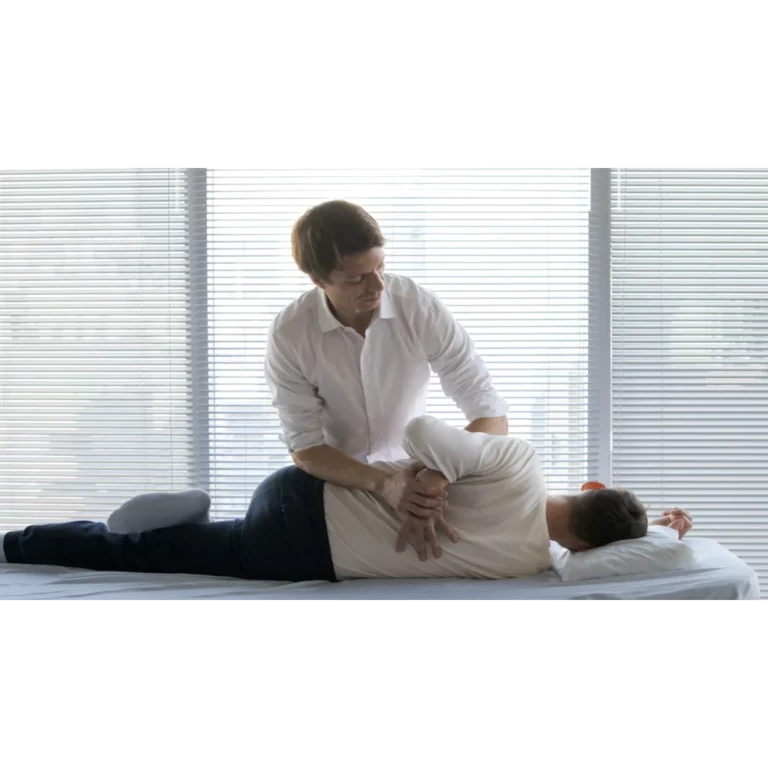
Manual therapy can help reduce protective muscle tension, improve joint motion, ease local irritation, and restore more comfortable movement patterns. Depending on the presentation, treatment may include soft tissue release, gentle joint mobilization, structural osteopathic techniques, craniosacral or biodynamic approaches, and work on related regions that are contributing to the problem.
The key is precision. Stronger treatment is not always better. When pain has been present for a long time, tissues can become sensitive, and the nervous system can be more reactive. A calm, individualized approach often produces better results than aggressive manipulation.
Osteopathic care for chronic pain
Osteopathic treatment is particularly well suited to persistent spinal pain because it looks beyond the painful area itself. Rather than treating the neck or lower back in isolation, the practitioner considers the body as an interconnected system.
For example, recurring neck pain may improve more effectively when treatment also addresses the upper back, rib cage, diaphragm, jaw, and shoulder mechanics. Chronic lower back pain may respond best when the pelvis, hips, abdominal wall, gait pattern, and thoracic mobility are also assessed.
This whole-body approach matters because compensation patterns are common. If one area loses mobility, another area often works harder. Over time, that compensation becomes the new normal, and pain returns even after short-term relief.
At Osteopath Tokyo, treatment is individualized and one-on-one, which is especially important for people who have already tried generic exercise plans, painkillers, or standard sessions that felt rushed. Chronic pain rarely benefits from a one-size-fits-all model.
What to expect from a personalized treatment plan
The first stage is a thorough case history and physical assessment. That includes how the pain began, what makes it worse, what has already been tried, and whether there are contributing factors such as stress, sport, pregnancy, workstation habits, or previous injuries.
Treatment then follows the findings. Some patients need pain reduction first because the area is too reactive. Others are ready for mobility work, postural retraining, or a gradual return to exercise. In many cases, both symptom relief and functional correction happen together.
You should also expect advice that is realistic. If you are working long hours in Tokyo, carrying a child, training for an event, or traveling frequently, the plan should fit your life. Good care does not rely on ideal conditions. It helps you make progress within real-world constraints.
How long does it take?
That depends on the cause, duration, and complexity of the problem. Recent flare-ups on top of an older pattern may improve fairly quickly. Pain that has been present for years, especially with repeated relapses, usually takes longer.
The goal is not endless treatment. It is meaningful change – less pain, better mobility, improved resilience, and fewer recurrences. Some patients need a short block of care. Others benefit from occasional maintenance visits, particularly if they have demanding jobs, chronic stress, or a history of recurrent strain.
Self-care matters, but it should match the condition
Many people with chronic pain have already tried stretching videos, massage devices, ergonomic products, and random exercises from social media. Sometimes these help. Sometimes they irritate the problem because the advice is too general.
For chronic neck pain, forcing deep stretches into an already irritated area can backfire. For lower back pain, complete rest may increase stiffness and deconditioning. On the other hand, returning too quickly to heavy lifting, running, or intense yoga may prolong the cycle.
The right self-care plan is specific. It may include mobility work, breath and rib cage exercises, walking, strength progressions, workstation changes, sleep positioning advice, or activity modification for a short period. The details matter because chronic pain is often maintained by repeated small triggers rather than one major mistake.
When to seek treatment for chronic back and neck pain
If pain keeps returning, starts to limit sleep, affects concentration, reduces exercise tolerance, or changes the way you work and move, it is worth getting assessed. The longer a dysfunctional pattern persists, the more the body adapts around it.
You do not need to wait until symptoms become severe. In fact, earlier intervention is often easier and more efficient. Patients frequently seek care after months of trying to manage alone, only to find that the issue involved more than muscle tightness.
For expats and international residents, clear communication is part of effective treatment. Being able to explain symptoms properly, understand the assessment, and know what the plan is can reduce a great deal of uncertainty. That matters, especially when pain has been unresolved for a long time.
A well-designed chronic back and neck pain treatment plan should leave you feeling understood, not rushed, and with a clearer sense of why the problem developed in the first place. Pain may be common, but living around it every day should not become your baseline.