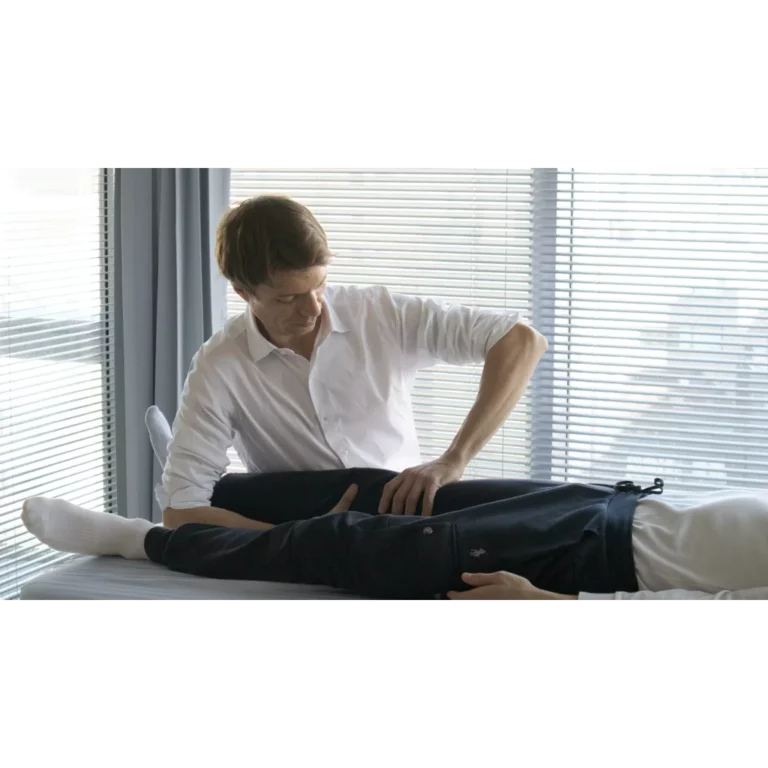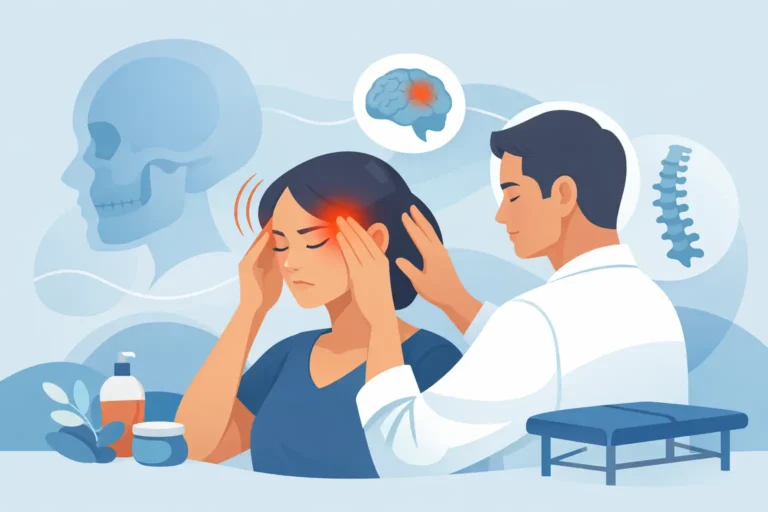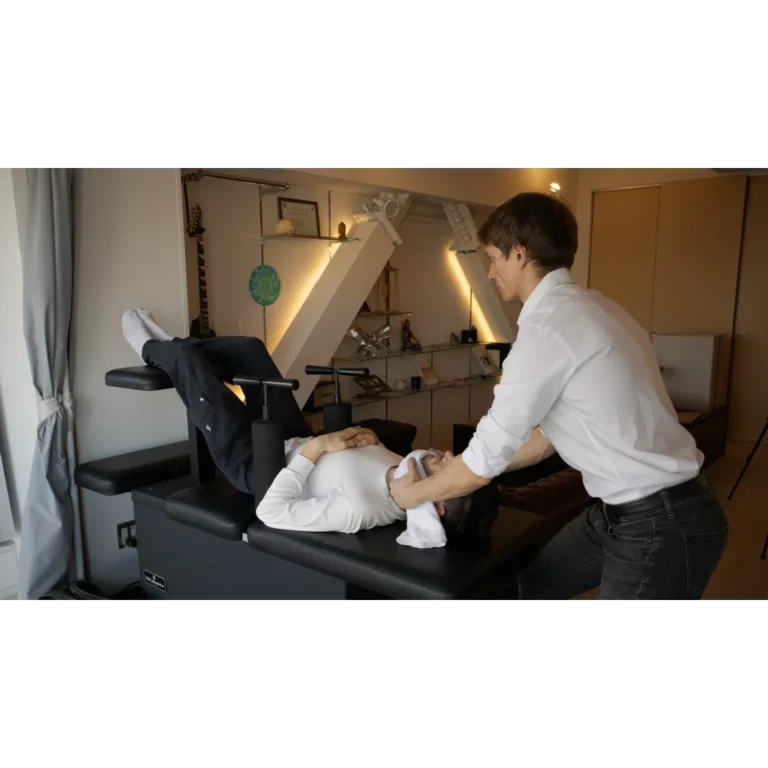
Trauma causes scar tissue, which can lead to nerve compression
The key discoveries of Dr. Jean-Claude Guimberteau on fascia reshape our understanding of human tissue structure.
He observed living fascia in real time and revealed it to be a dynamic, integrated system—organized in layers.
1. A continuous, whole-body, multifibrous network
Fascia forms a vast, uninterrupted three-dimensional network composed of hundreds of millions of multidirectional collagen and elastin fibers that connect every part of the body, from the surface of the skin down to the cellular level. There are no true boundaries, layers, or empty spaces—everything exists in complete continuity, with fibers interweaving through subcutaneous tissue, muscles, tendons, periosteum, and even bone. This challenges traditional anatomical models that depict fascia as separate sheets or mere “packing” material.
Instead, fascia is a unifying structural element shared by all organs, allowing seamless integration throughout the body.
2. Microvacuoles as fundamental building blocks
This network creates microvacuoles—irregular polyhedral micro-volumes (20–100 microns in size) formed by intersecting fibers and filled with a highly hydrated proteoglycan gel (approximately 70% water). These fluid-filled units assemble in fractal patterns, house cells, and allow plasticity, fluid distribution, and volume adaptation without free flow. They function as a hydraulic system, maintaining the tissue’s “memory of form” and enabling recovery after deformation such as edema or injury.
Guimberteau’s Multimicrovacuolar Collagen Dynamic Absorption System (MCDAS) explains how these structures expand, contract, and dynamically stabilize tissues.
3. Fractal and chaotic organization
Fascia exhibits self-similar fractal properties at all scales, with irregular, non-linear fiber arrangements that are chaotic yet highly efficient. Fibers vary in diameter, length, and orientation, allowing unpredictable movements such as sliding, splitting, elongation (up to 30%), and fusion. This enables instantaneous force distribution in any direction, maximizes surface area for nutrient exchange, and allows adaptation to constraints without rupture. The system is pre-tensioned, influenced by gravity and internal pressures, and operates according to principles such as biotensegrity and chaos theory.
4. Force transmission and mechanical adaptation
External forces applied to the skin are transmitted deep into the tissues through the fibrous network and dispersed non-linearly to minimize disruption. This allows efficient gliding (for example, tendons moving up to 3 cm without surface deformation) and shock absorption, with self-regulating mechanisms ensuring mobility and equilibrium. Disturbances—such as increased stiffness of the extracellular matrix (ECM)—can impair cellular health through altered mechanotransduction.
5. A challenge to traditional embryological and anatomical models
Guimberteau proposes that the body arises from a single differentiated tissue originating from a stereotyped fascial framework, calling into question classical embryological germ-layer theory. Fascia forms the “substrate” of organs and muscles, embedding specialized cell clusters within its network. It is not merely supportive but formative, influencing morphogenesis, cell shape, position, and function through tension and mechanical transmission.
This holistic view describes humans as “fascial beings,” in whom structure and function are inseparable.
6. Implications for pathology, healing, and therapy
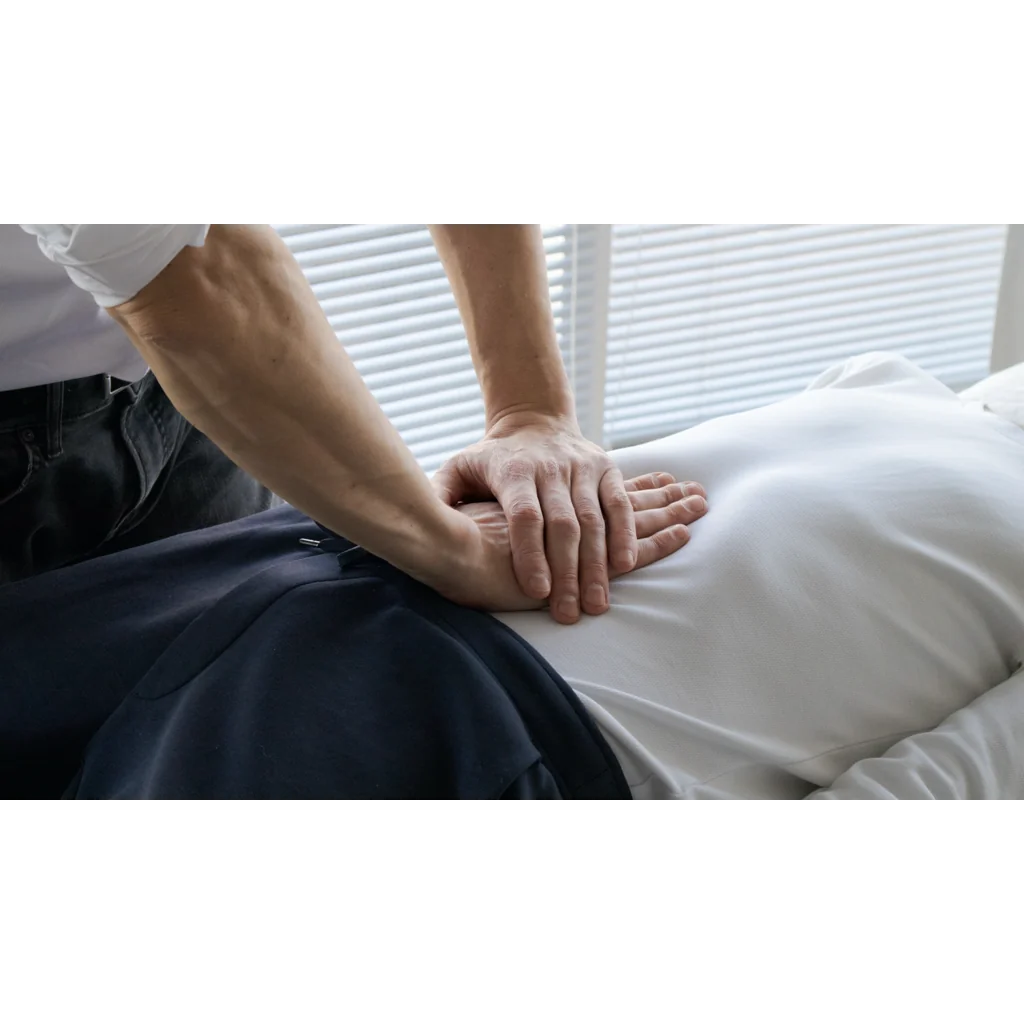
Injury leads to scar formation (non-functional plugs) or adhesions (thicker, stiffer fibers that reduce mobility and may cause pain through nerve compression). Chronic conditions such as inflammation alter microvacuolar fluid and fiber behavior, contributing to fibrosis and edema. The interstitium (fluid-filled pre-lymphatic spaces) plays a role in immune responses, cancer metastasis, and regeneration, acting as a scaffold for repair. These insights inform clinical applications, including tumescent anesthesia in surgery, manual therapies aimed at restoring fluidity (such as myofascial release), and regenerative medicine—highlighting fascia’s role in anti-aging, pain management, and overall systemic health.
His work is documented in videos such as Strolling Under the Skin and books like Architecture of Human Living Fascia, emphasizing the necessity of studying fascia in its living state to gain accurate insights into physiology and therapy.
Book your fascia and scar treatment by David Brisson, D.O. – Osteopathy Tokyo