TMJ Jaw Disorder Treatment That Works
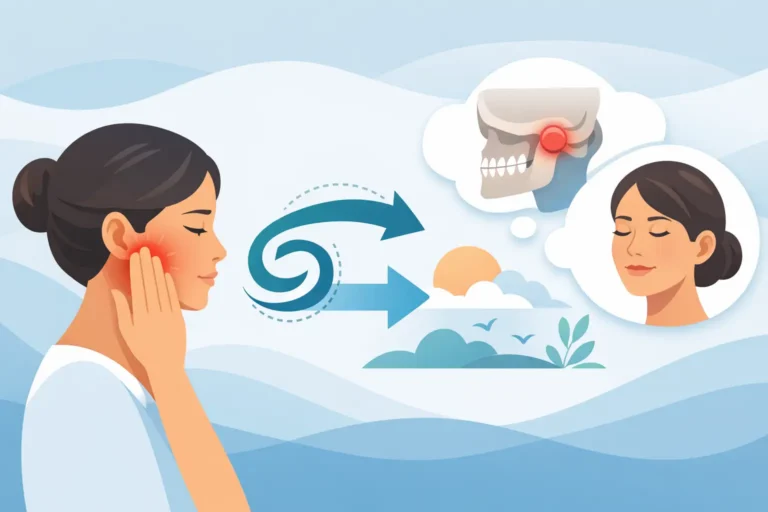
A jaw that clicks when you eat, locks when you yawn, or leaves you with a dull headache by late afternoon can wear you down faster than most people realize. TMJ jaw disorder treatment is not only about easing pain at the joint itself. It is about understanding why your jaw is overloaded in the first place, and why that strain often shows up alongside headaches, neck tension, facial pain, ear pressure, or disrupted sleep.
For many adults, jaw pain does not begin with a single dramatic injury. It builds gradually through clenching, stress, posture changes, dental work, grinding at night, or compensation after an old neck problem. That is why effective care needs to look beyond the jaw alone. A refined, hands-on approach can often help calm irritation, restore more natural movement, and reduce the patterns that keep symptoms returning.
What TMJ jaw disorder treatment should address
The temporomandibular joint connects the jaw to the skull and works in close coordination with the muscles of the face, head, and neck. When this system is under strain, symptoms can vary widely. Some people notice clicking or popping with no pain at first. Others experience jaw fatigue, difficulty opening the mouth fully, pain while chewing, tenderness near the temples, ringing or pressure around the ears, or headaches that seem to start from the side of the face.
Good TMJ jaw disorder treatment should begin by identifying which structures are involved. In some cases, the main issue is muscular tension from clenching or grinding. In others, the jaw joint itself is irritated, its movement is not tracking well, or the neck and upper back are contributing more than expected. This distinction matters because not every jaw problem responds to the same technique.
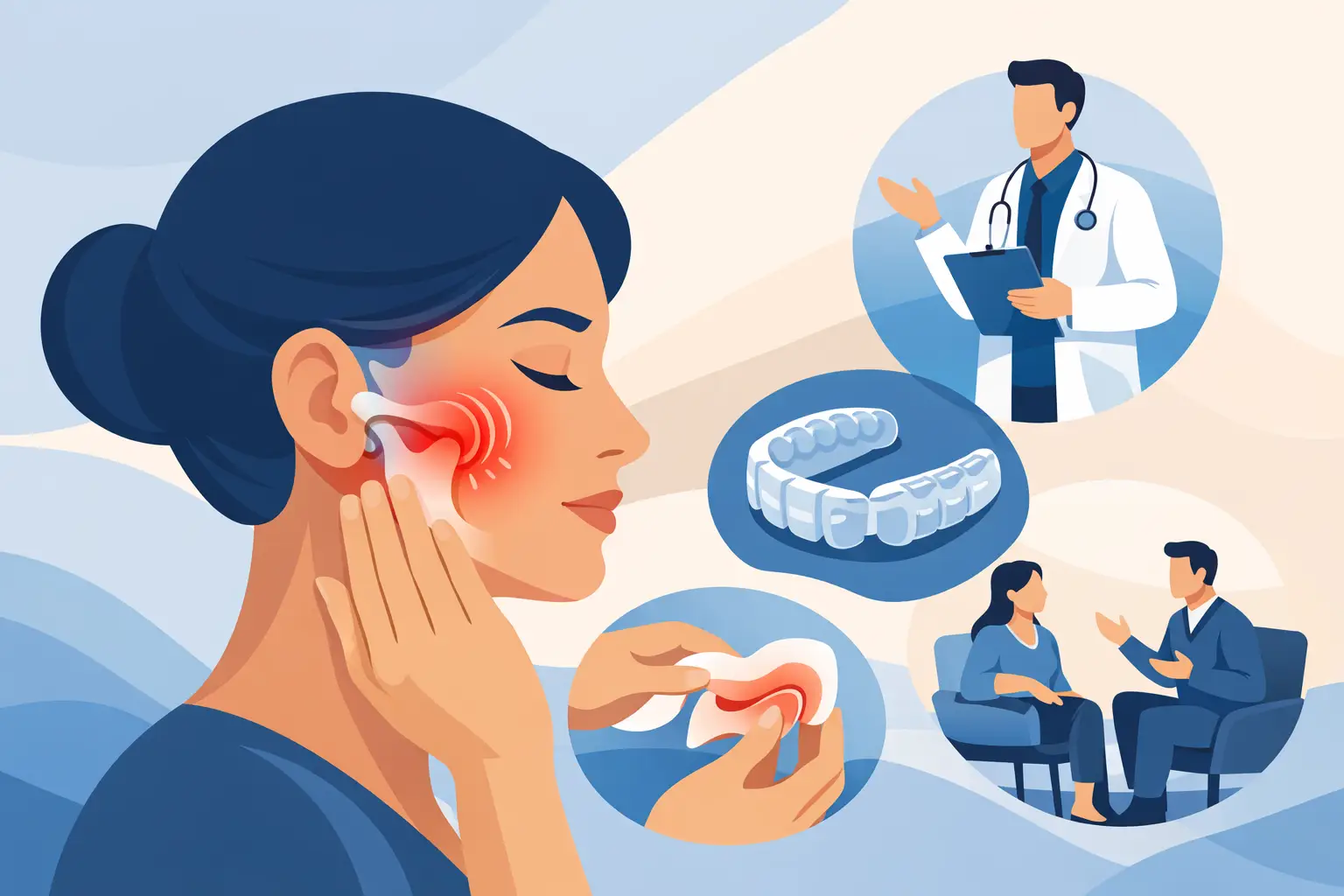
A patient with stress-related clenching may need gentle soft-tissue release, nervous system regulation, and practical strategies to reduce overload during the day. A patient whose symptoms worsened after long hours at a desk may improve only when the neck, shoulders, and posture are treated alongside the jaw. Someone with recent trauma, severe locking, or major bite changes may need a different pathway and, at times, coordinated dental or medical evaluation. The right treatment is personal, not generic.
Why jaw pain often starts outside the jaw
One of the most common reasons TMJ symptoms linger is that treatment focuses only on the place that hurts. The jaw is closely linked to the cervical spine, tongue, throat, facial muscles, and breathing patterns. If your head sits forward for much of the day, the muscles that stabilize the jaw often work harder. If your nervous system is constantly in a stressed state, clenching can become almost automatic.
This is why a whole-body assessment is valuable. The position of the neck, the mobility of the upper spine, rib cage tension, and even old shoulder restrictions can influence how the jaw moves. The body adapts cleverly, but those adaptations are not always comfortable.
In practice, patients are often surprised when treatment to the neck or upper chest reduces jaw tension. That does not mean the jaw itself is ignored. It means the source of strain may be broader than expected. Lasting change usually comes from reducing the load on the entire system, not forcing one tight area to release.
What hands-on treatment may include
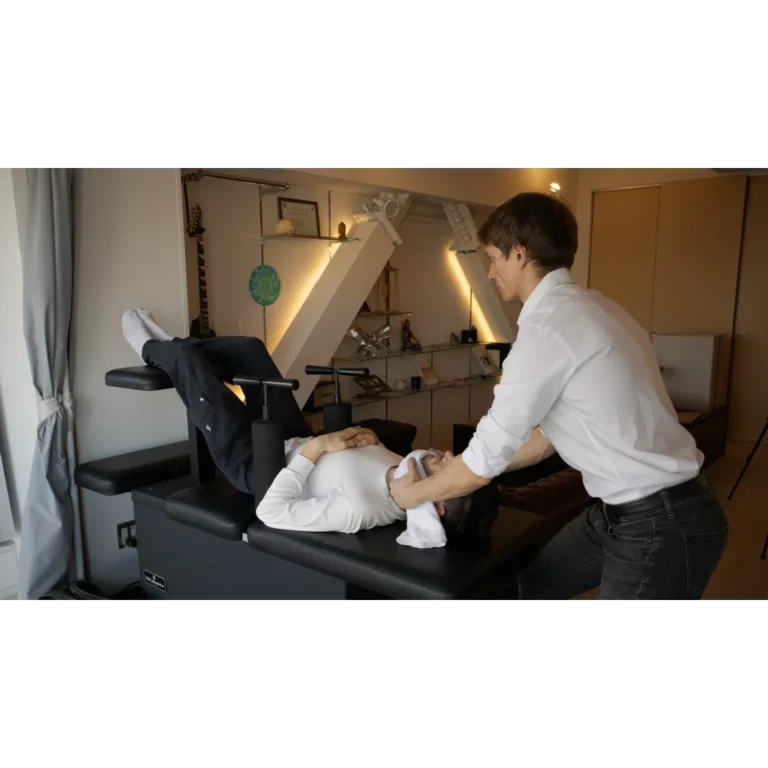
A careful osteopathic approach to TMJ problems is typically gentle, precise, and adapted to the person in front of you. Treatment may involve soft-tissue work to the jaw muscles, cheeks, temples, and neck, along with techniques to improve mobility of the jaw joint and surrounding structures. Cranial and biodynamic methods may also be used when the presentation includes high sensitivity, stress overload, headaches, or a feeling that the whole system is on edge.
The goal is not to aggressively manipulate a painful jaw. In fact, when symptoms are acute or the area is very reactive, less force is often better. Skilled treatment can help reduce muscle guarding, improve how the jaw opens and closes, and ease strain through the head and neck without increasing irritation.
Breathing mechanics, swallowing patterns, and resting tongue posture may also matter. If the tongue presses poorly, if the mouth tends to stay open, or if shallow chest breathing keeps the neck overactive, those patterns can feed into jaw tension. Addressing them does not replace hands-on care, but it can make results more stable.
What to expect from TMJ jaw disorder treatment
At a first appointment, the most important step is understanding your pattern. When did symptoms begin? Was there dental treatment, a stressful period, orthodontic work, an accident, or a change in sleep? Do you wake with jaw tightness? Do headaches come with chewing or screen work? Is there clicking without pain, or pain without clicking? These details help distinguish a simple overload pattern from something more complex.
The physical assessment usually includes the jaw, face, neck, and upper back. Your practitioner may evaluate how wide the mouth opens, whether movement deviates to one side, which muscles are tender, and how the cervical spine and posture may be contributing. This broader view is especially important for busy professionals, athletes, and parents, because jaw symptoms rarely exist in isolation.
Treatment often begins with reducing irritation and improving comfort rather than chasing perfect mechanics on day one. If symptoms have been present for months or years, a phased approach tends to work best. First calm the area. Then restore mobility. Then support better day-to-day habits so the jaw is not pushed back into the same pattern.
Some patients feel relief quickly, especially when muscular tension is the main driver. Others need more time. If clenching is linked to stress, sleep issues, or a long-standing neck problem, progress may be steady but gradual. Honest care includes that nuance. Quick improvement is possible, but durable improvement usually comes from treating both symptoms and underlying contributors.
When treatment works best
The best results tend to come when care is individualized and timed well. Early treatment can prevent a mild clicking jaw from becoming a more painful and protective pattern. Chronic cases can also improve, but they often require more patience because the body has had longer to adapt.
It also helps when patients understand their triggers. Chewy foods, long dental appointments, heavy strength training through the neck, poor workstation setup, and high-pressure periods at work can all flare symptoms. None of this means you need to live cautiously. It means the jaw responds better when treatment is paired with smart load management.
For patients in Tokyo looking for English-speaking, hands-on care, this kind of detailed assessment can make a meaningful difference. At Osteopath Tokyo, treatment is tailored to the individual rather than reduced to a standard jaw protocol, which is often exactly what complex TMJ cases need.
Signs you should not ignore
Not every jaw issue is routine. If you have sudden inability to open or close the mouth properly, severe pain after trauma, major swelling, fever, numbness, or symptoms that are rapidly worsening, prompt medical or dental assessment is important. A responsible practitioner will always recognize when a case falls outside the scope of conservative manual care.
Even in less urgent cases, persistent jaw pain deserves attention. Waiting too long can lead to stronger muscle guarding, more frequent headaches, and reduced confidence with eating, speaking, or even smiling fully. Early support is often simpler than trying to unwind a long-established problem later.
A calmer jaw often means a calmer system
One of the most rewarding parts of treating TMJ dysfunction is that improvement rarely stays limited to the jaw. As tension decreases, many patients notice fewer headaches, easier neck movement, less facial fatigue, and a greater sense of ease overall. That shift matters, especially when pain has quietly shaped your concentration, sleep, and mood.
A thoughtful treatment plan should leave you feeling heard, not rushed, and guided rather than overwhelmed. Jaw pain can be complex, but it is often very treatable when the right structures are assessed, the right techniques are used, and the care is tailored to how your body is actually functioning. If your jaw has been asking for attention for a while, listening sooner usually leads to a much better path forward.