Why Do I Have Constant Back and Neck Pain?
You wake up stiff, spend the day shifting in your chair, and by evening your neck feels tight while your lower back aches again. If you keep asking, why do I have constant back and neck pain, the answer is rarely just one thing. In many cases, pain becomes constant because several small stresses stack together over time – posture, muscle tension, old injuries, work habits, poor sleep, stress, and reduced mobility.
That is also why quick fixes often disappoint. A massage may help for a day. Stretching may feel good for an hour. A new chair may improve one part of the problem but not the rest. Persistent back and neck pain usually needs a more complete explanation, because the area that hurts is not always the only area involved.
Why do I have constant back and neck pain if nothing serious happened?
Many people expect pain to start after a dramatic event, such as a car accident or a heavy lift. But constant pain often develops more quietly. It can build after months of laptop work, long commutes, carrying a child, stress-related jaw clenching, interrupted sleep, or exercise that loads the body unevenly.
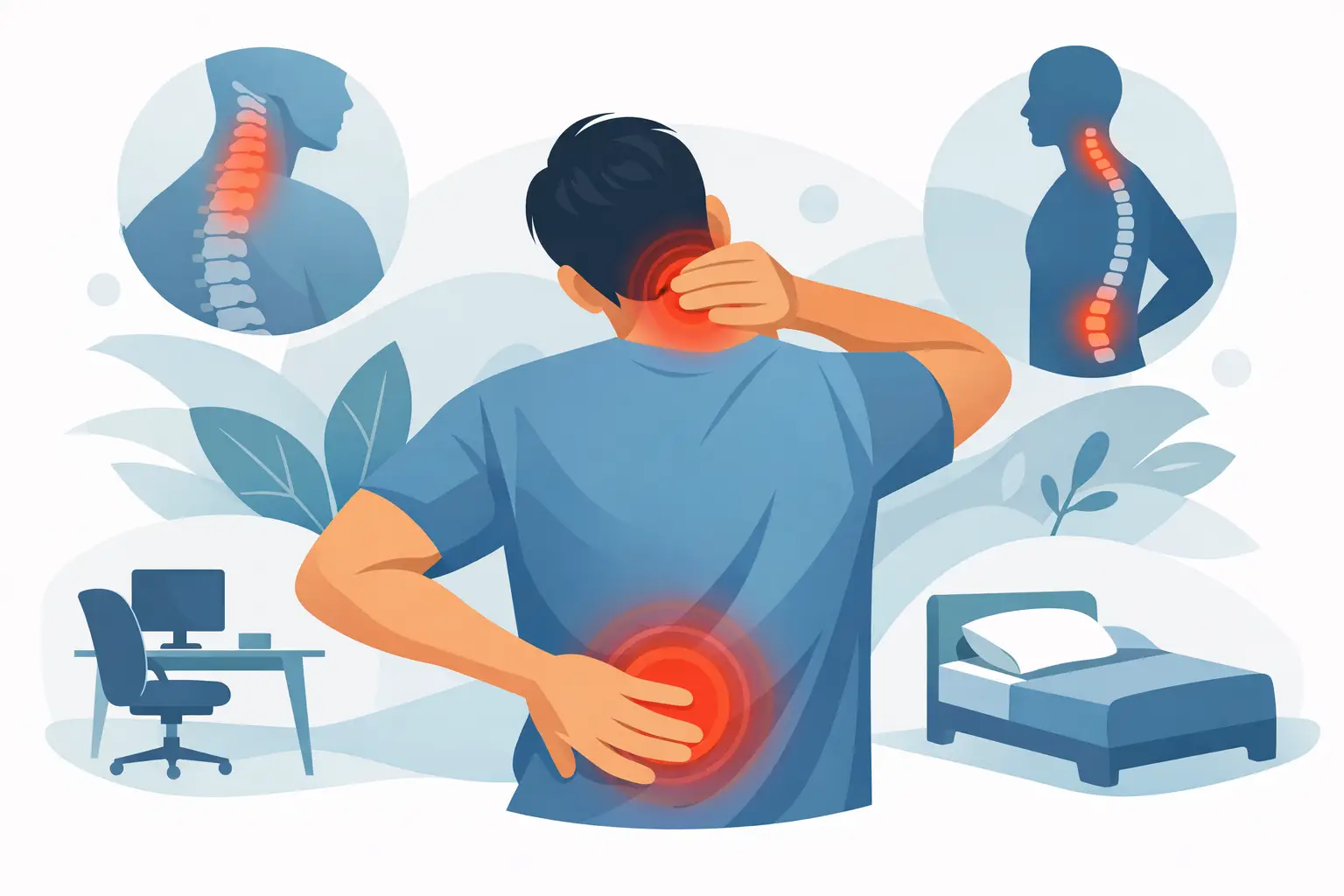
The neck, shoulders, mid-back, ribs, pelvis, and lower back work as one system. If one area loses mobility or becomes overloaded, another area often compensates. For example, reduced movement in the upper back can force the neck to work harder. Tight hips can increase stress in the lower back. Even foot mechanics can affect how the spine absorbs force.
This is one reason people feel frustrated. The pain seems to move, or it stays despite rest. The body is still functioning, but it is doing so less efficiently, with more tension and strain.
Common reasons back and neck pain becomes constant
Muscle overuse is one of the most common drivers. This does not always mean intense exercise. It may simply mean low-grade, repetitive effort all day long. Sitting with your head forward, working from a sofa, holding tension in your shoulders, or spending hours looking down at a phone can leave tissues in a near-constant state of fatigue.
Joint stiffness also matters. When spinal joints, ribs, shoulders, or hips do not move well, surrounding muscles often tighten to stabilize the area. People then feel both stiffness and soreness, especially in the morning or after long periods at a desk.
Stress is another major factor that is often underestimated. When stress stays high, breathing can become shallow, the jaw may clench, the shoulders rise, and the nervous system remains on alert. That can make pain feel more constant, more widespread, and slower to settle.
Previous injuries can quietly contribute as well. You may have recovered from an old sports injury, whiplash episode, fall, or pregnancy-related strain, but the body sometimes keeps compensating long after the initial pain has faded. Months or years later, the result may show up as ongoing neck and back discomfort.
Sleep quality is part of the picture too. If your body is not recovering well overnight, pain thresholds often drop. People who sleep poorly commonly wake with more stiffness, more sensitivity, and less resilience during the day.
Why posture matters, but not in the way people think
Posture is often blamed too simplistically. There is no single perfect position that prevents all pain. The real issue is usually not sitting “wrong” for a moment, but staying in one position for too long.
Even a good posture becomes a problem when it is static. Your tissues need variation. If you work at a screen for hours without changing position, your neck extensors, upper trapezius, lower back muscles, and hip flexors can all become overworked. That can create a familiar pattern: neck tightness, shoulder heaviness, upper back stiffness, and an aching lower back by late afternoon.
This is especially common in Tokyo professionals with long desk hours, heavy commuting, frequent device use, and high cognitive stress. The body may look still, but it is working hard underneath.
Why do I have constant back and neck pain with headaches or jaw tension?
Neck pain rarely stays isolated. The muscles and joints around the neck are closely related to the jaw, shoulders, upper back, and head. If your jaw is tight, if you grind your teeth, or if you carry tension through the base of the skull, headaches can develop alongside neck pain.
Likewise, restricted movement through the upper ribs and thoracic spine can create a chain reaction upward into the neck and downward into the lower back. Patients are often surprised to learn that what feels like a “neck problem” may partly involve breathing mechanics, rib mobility, or shoulder function.
This is where a whole-body assessment becomes useful. It helps explain why isolated stretching of the painful area is not always enough.
When constant pain may point to something more than tension
Not all back and neck pain is simply mechanical. Sometimes symptoms suggest nerve irritation, disc involvement, inflammatory conditions, or another medical issue that needs proper evaluation.
Warning signs include pain that is severe and unrelenting, numbness or tingling into the arm or leg, clear weakness, loss of coordination, pain after significant trauma, fever, unexplained weight loss, or changes in bladder or bowel function. Pain that wakes you consistently at night or does not change with movement or position also deserves closer attention.
Most constant pain is not dangerous, but it should not be dismissed either. The right next step depends on your history, symptoms, age, activity level, and how long the problem has been present.
Why constant pain often needs a personalized assessment
Two people can both say, “My neck and back always hurt,” and have completely different causes. One may be dealing with desk-related strain and stress tension. Another may have persistent symptoms after an old injury. A postpartum mother may have weakness and overload patterns related to pregnancy and carrying an infant. An athlete may have mobility restrictions and repeated training stress. The symptom sounds the same, but the treatment approach should not be identical.
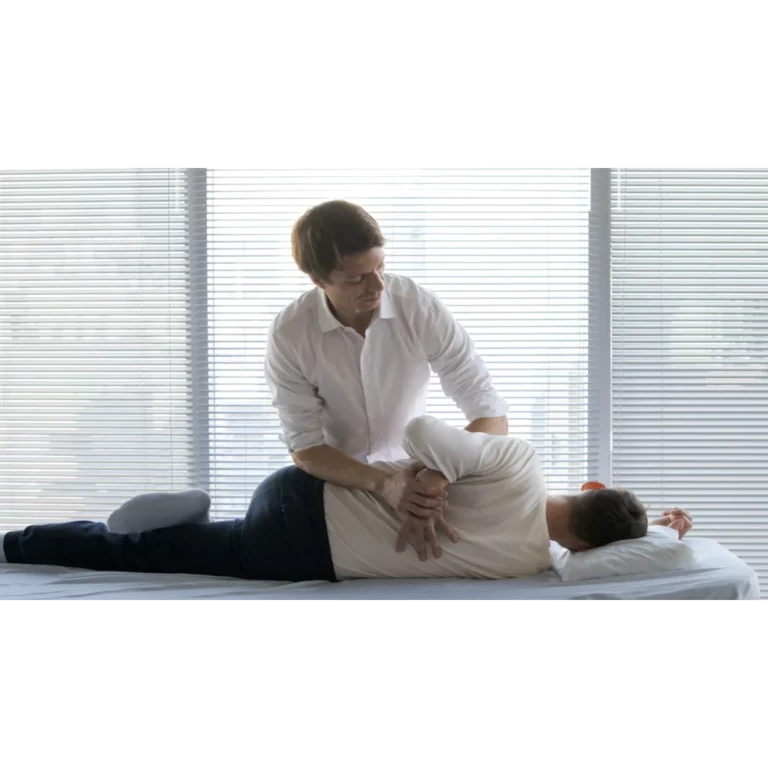
This is where individualized hands-on care can be especially valuable. Rather than focusing only on the sore spot, an osteopathic assessment looks at how the body is moving as a whole – spinal mobility, rib function, pelvic balance, muscle tone, posture, breathing, and compensation patterns.
At Osteopath Tokyo, this kind of one-to-one assessment is central to understanding why pain keeps returning. The goal is not only to reduce discomfort, but to identify what is maintaining it.
What hands-on treatment may help with constant back and neck pain
Treatment depends on the findings, but it often includes a combination of gentle joint mobilization, soft tissue work, myofascial release, and techniques that calm the nervous system while improving movement. In some cases, more structural adjustment is appropriate. In others, a lighter approach works better, especially when the body is highly sensitive or the patient is already guarding.
Good care should feel tailored, not routine. A pregnant patient, a runner, and an office worker with migraines do not need the same treatment style, even if all three report neck and back pain.
The best results often come from combining treatment with practical changes between visits. That may mean adjusting your workstation, changing how often you move during the day, improving sleep position, modifying training load, or addressing jaw clenching and stress patterns. Hands-on treatment can reduce restriction and pain, but lasting change usually requires reducing the drivers that keep reloading the same tissues.
What you can do now if your back and neck pain is constant
Start by noticing patterns instead of searching for one single cause. When is the pain worse – morning, late day, after screens, after exercise, during stress, or after poor sleep? Does it stay local, or travel into the head, shoulder, arm, hip, or leg? Does movement help, or only certain types of movement?
Those details matter. They often reveal whether the problem is more related to posture, overuse, recovery, stress, mobility restriction, or something that needs medical referral.
In the short term, gentle movement tends to help more than total rest. Frequent position changes, walking, light mobility work, and reducing long static sitting are often more useful than aggressive stretching. If a movement sharply increases symptoms, however, pushing through is rarely the right strategy.
If the pain has become a regular part of your week, or if it keeps returning despite your efforts, it is worth having it assessed properly. Constant pain is not something you should simply get used to. Often, once the underlying pattern is identified, the body becomes much more responsive than people expect.
You do not need to wait until the pain becomes severe to take it seriously. Persistent back and neck pain is your body asking for a clearer explanation, and in many cases, the right care can provide exactly that.