What Causes Chronic Upper Back and Neck Pain?
A stiff neck after a long workday is common. Pain that keeps returning, spreads into the shoulders, triggers headaches, or makes sleep and concentration harder is a different matter. If you have been wondering what causes chronic upper back and neck pain, the answer is rarely just one thing. In many cases, the body has been compensating for weeks, months, or even years before symptoms become hard to ignore.
What causes chronic upper back and neck pain in adults?
The neck and upper back are built for both stability and movement. They support the head, allow you to turn and look around, and help coordinate breathing, shoulder motion, and posture. Because these areas do so much, chronic pain usually develops when several stresses overlap rather than from one isolated event.
A common pattern is muscular overuse combined with joint restriction. For example, someone may spend long hours at a laptop, hold tension in the jaw and shoulders during stressful periods, and sleep in a position that keeps the neck slightly twisted. None of these factors alone seems dramatic. Together, they can create persistent irritation that does not fully settle.
Pain in this region can also be influenced by the thoracic spine, rib cage, shoulders, and even breathing mechanics. That is one reason quick fixes often disappoint. The painful area is not always the only area involved.
Postural strain and desk-based habits
Modern work is one of the most frequent contributors. Looking down at a phone, leaning toward a screen, working from a poorly adjusted chair, or sitting for long periods without changing position can all load the neck and upper back in a repetitive way.
This does not mean posture must be perfect at all times. The body is adaptable, and there is no single ideal position that prevents pain forever. The problem is usually prolonged static loading. Muscles fatigue, joints stiffen, and the nervous system becomes more sensitive. Over time, what began as occasional tightness can turn into chronic discomfort.
People are often told to simply sit up straighter. That advice is incomplete. Even a good posture held too long can become uncomfortable. Variety of movement matters just as much as alignment.
Stress-related muscle tension
Emotional stress frequently shows up in the neck and upper back before people fully register it elsewhere. Tight shoulders, jaw clenching, shallow breathing, and a feeling of pressure at the base of the skull are all familiar signs.
When stress is ongoing, muscles may remain slightly guarded throughout the day and even during sleep. This can reduce circulation, limit mobility, and increase sensitivity to pain. The result is not “just stress” in the dismissive sense. The pain is real, physical, and often self-perpetuating.
For many adults in Tokyo balancing long work hours, travel, family demands, and poor recovery, stress is not the only cause, but it is often a significant amplifier.
Joint dysfunction in the cervical and thoracic spine
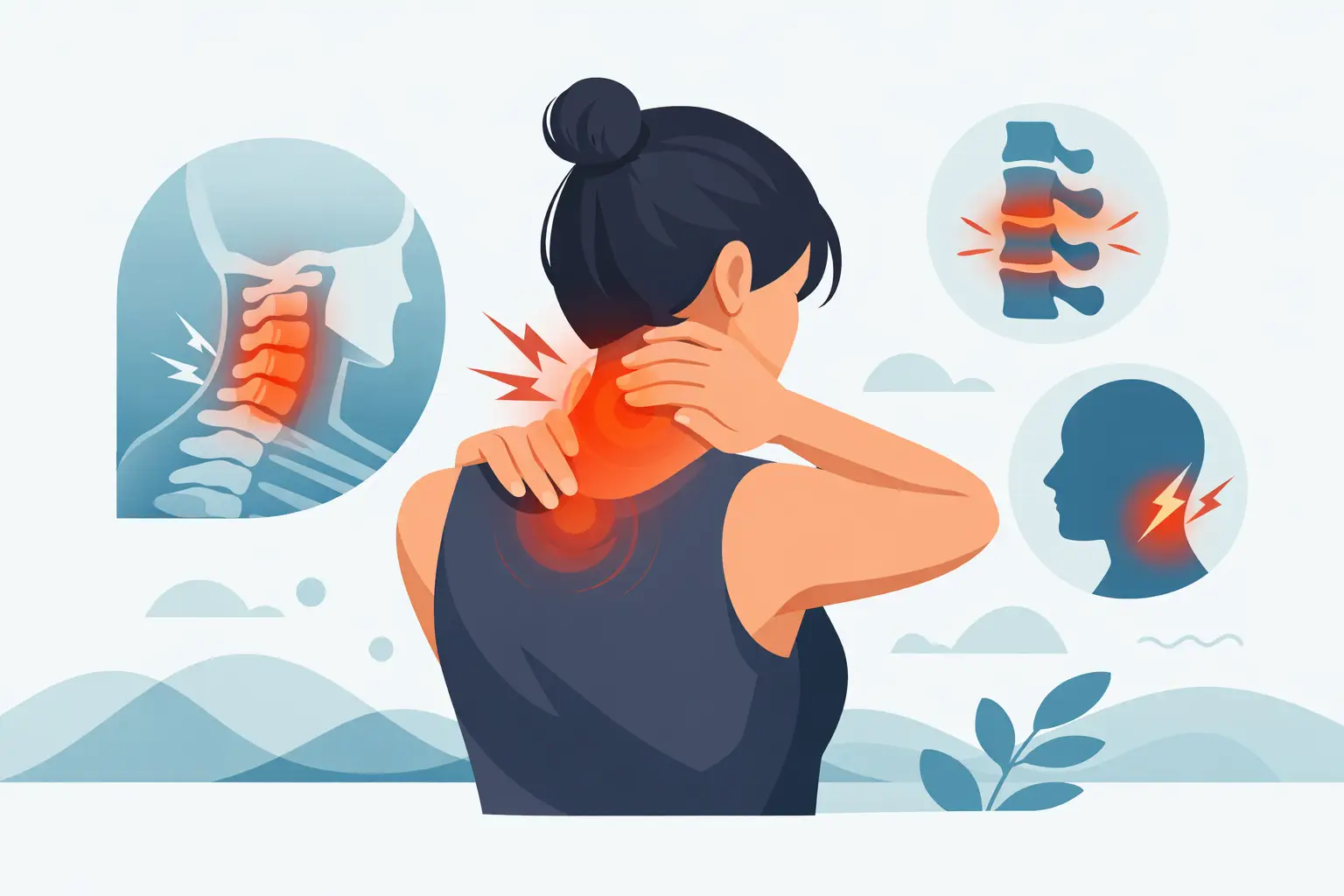
The small joints of the neck and upper back can become restricted or irritated. When a joint is not moving well, nearby muscles often work harder to protect the area. This may create a cycle of stiffness, spasm, and compensation.
Some people describe this as a sharp pinch when turning the head. Others feel a deep ache between the shoulder blades or a recurring knot near the top of the shoulder. Joint dysfunction may follow poor mechanics, a sudden twist, old injury, or gradual wear and tear.
This is one reason upper back and neck pain can linger even after massage gives temporary relief. If the joints, ribs, or surrounding tissues are not functioning well together, the tension tends to return.
Why old injuries can keep causing pain
A previous car accident, sports impact, whiplash, fall, or even a minor strain can change the way the body moves long after the original event. Some injuries heal structurally but leave behind protective movement patterns. Months later, the person may no longer think about the incident, yet the neck still feels vulnerable, stiff, or easily aggravated.
Whiplash is a common example. Even when imaging is normal, the muscles, fascia, ligaments, and nervous system can remain sensitive. Chronic symptoms may include neck pain, upper back tension, headaches, dizziness, jaw discomfort, or pain that worsens with stress and fatigue.
Old injuries do not always cause constant pain. Sometimes they lower the threshold so that ordinary daily demands trigger flare-ups more easily.
Disc irritation and nerve involvement
Not all chronic neck and upper back pain is muscular. In some cases, a cervical disc may be irritated or a nerve root may be compressed. This is more likely when pain travels into the shoulder, arm, or hand, or when there is numbness, tingling, weakness, or burning pain.
Nerve-related symptoms deserve careful assessment because treatment depends on the exact source and severity. Some cases improve with conservative care and activity modification. Others need medical imaging or specialist referral, especially if symptoms are progressing.
The presence of nerve irritation does not always mean surgery is required. But it does mean the problem should not be reduced to “tight muscles” alone.
Shoulder, jaw, and rib dysfunction
The neck does not work in isolation. Shoulder restrictions, rotator cuff irritation, jaw tension, and rib stiffness can all contribute to chronic upper back and neck pain.
A person with jaw clenching may overload muscles that connect the jaw, skull, and neck. Someone with reduced shoulder mobility may compensate by lifting the upper trapezius every time they reach. Rib cage stiffness can change breathing patterns and make the upper back feel constantly tight.
This is why a whole-body assessment matters. If treatment focuses only on the place that hurts, important drivers can be missed.
What causes chronic upper back and neck pain to worsen over time?
Chronic pain often becomes more stubborn when recovery is inconsistent. Poor sleep, repeated overwork, reduced physical activity, and relying on short-term coping strategies can all contribute. Many people alternate between long hours of sitting and intense exercise on weekends, without enough gradual conditioning in between.
Another factor is pain sensitization. When symptoms have been present for a long time, the nervous system may become more reactive. Movements that were once harmless start to feel threatening. This does not mean the pain is imagined. It means the system has become more protective.
That is also why rest alone is not always the answer. Too much inactivity can further reduce mobility and resilience. The right balance depends on the person, the source of pain, and how irritable the condition is.
Less common but important medical causes
Most chronic upper back and neck pain is mechanical or functional, but not all of it. Inflammatory conditions, fractures, infections, and more serious disease processes are less common, yet they need to be considered when the presentation does not fit the usual pattern.
Warning signs include unexplained weight loss, fever, night sweats, severe night pain, recent major trauma, cancer history, progressive weakness, or changes in balance, bowel, or bladder function. These situations warrant prompt medical evaluation.
When hands-on assessment can make the difference
Chronic neck and upper back pain responds best when the true drivers are identified instead of chasing symptoms from week to week. That means looking at posture, yes, but also spinal mobility, rib mechanics, muscle tone, breathing, prior injuries, work habits, jaw tension, and how the body compensates as a whole.
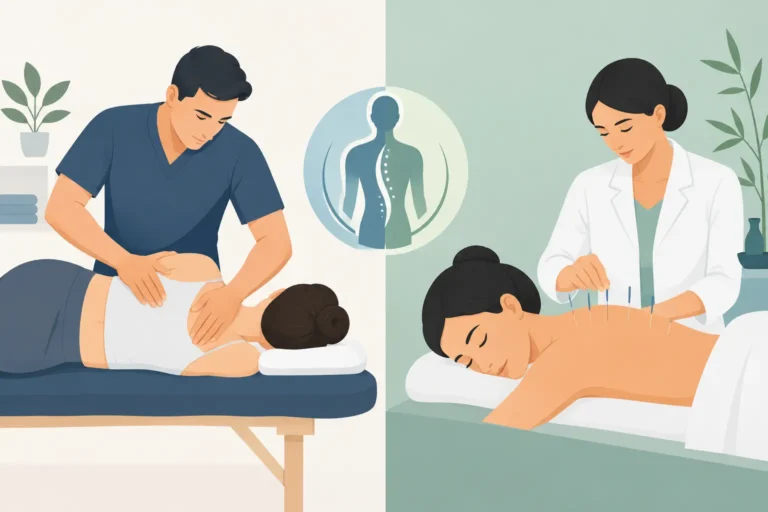
In osteopathic care, treatment is not limited to one technique or one diagnosis label. Depending on the case, it may include precise manual work to improve joint mobility, release soft-tissue tension, calm an irritated nervous system, and restore better movement patterns. For some patients, the key is reducing mechanical strain. For others, it is addressing the lingering effects of stress, old trauma, or compensation from another area of the body.
At Osteopath Tokyo, this type of individualized assessment is especially valuable for busy professionals, expats, athletes, and women during pregnancy or postpartum recovery, when several contributing factors may overlap.
When to seek care
If your pain has lasted more than a few weeks, keeps recurring, limits sleep, causes headaches, radiates into the arm, or interferes with work and exercise, it is worth having it assessed properly. The earlier chronic patterns are addressed, the easier they are usually to change.
Many people wait until pain becomes part of daily life. They adapt their workouts, avoid turning their head fully, or accept the afternoon headache as normal. It does not have to stay that way. With careful evaluation and the right treatment approach, chronic upper back and neck pain can often improve more than people expect.
The most useful next step is not guessing which stretch to copy online. It is understanding why your body keeps returning to the same pattern, then giving it a better one.